

Move better. Train smarter. Stay pain-free.
Whether you’re a weekend warrior, a dedicated runner, or a competitive athlete, one thing is certain injuries can happen when you least expect them. From ankle sprains to shoulder strains, sports injuries not only disrupt training but can also take a toll on your confidence and motivation.
At Aspire Physio Bangkok, our mission goes beyond just recovery; we focus on prevention, helping athletes and active individuals move efficiently, reduce risks, and build long-term resilience. Based on our physios’ daily work with clients across different sports, here are evidence-based strategies to prevent injuries before they happen.
1. Understand the Root Causes of Sports Injuries
Injury prevention starts with understanding why injuries occur. Many athletes think injuries are purely accidental but most are preventable.
According to the latest research, 70% of sports injuries stem from overuse, poor movement patterns, or muscular imbalances, rather than sudden trauma. In our Bangkok clinic, the most common issues we see include:
- Repetitive overload — training too much, too soon, without adequate rest.
- Muscle imbalance — when one group (e.g. quadriceps) overpowers another (e.g. hamstrings).
- Poor joint stability and control — especially around shoulders, hips, and knees.
- Lack of mobility — restricted movement in one area causes compensation in another.
- Insufficient recovery or sleep — leading to fatigue, reduced coordination, and injury risk.
Identifying these weak links early is key. That’s why at Aspire, we use functional assessments to analyze how you move, pinpoint risk areas, and design corrective programs before injury happens.
2. Warm Up with Purpose, Not Routine
A good warm-up isn’t about jogging for five minutes and calling it a day. It’s about preparing your body to neuromuscularly activate the right muscles, increasing mobility, and priming your nervous system for sport-specific performance.
Our Bangkok physios recommend a three-phase dynamic warm-up approach:
- Mobilize – Use controlled joint rotations or light stretches to release stiffness (hips, ankles, thoracic spine).
- Activate – Wake up key stabilizers with bodyweight drills (glutes, core, rotator cuff).
- Integrate – Combine mobility and activation through sport-specific movements (skipping, hops, agility drills).
Example:
Before running, mobilize your ankles and hips, activate your glutes with bridges, then perform 3 sets of high knees or bounding drills to engage your entire kinetic chain.
Warm-ups enhance blood flow, improve coordination, and reduce the risk of muscle strain especially in hot and humid Bangkok weather, where hydration and temperature control also play a big role.
3. Build Strength as a Protective Layer
Strength training isn’t just for building muscle it’s one of the most powerful tools for injury prevention. Strong muscles act like armor for your joints, absorbing impact and improving movement control.
Research shows that athletes who engage in structured strength training reduce sports injuries by up to 50%. At Aspire, we often help clients integrate functional strength work that targets weak links specific to their sport.
Key guidelines:
- Focus on compound movements squats, deadlifts, lunges, presses, pulls.
- Train through full ranges of motion to improve mobility and control.
- Don’t neglect eccentric strength (slow lowering phase) crucial for hamstring and tendon health.
- Add unilateral training (single-leg or single-arm) to fix asymmetries.
Bangkok Physio Tip:
Strength training should complement, not replace, your sport. Two well-planned sessions per week can drastically reduce common overuse injuries like runner’s knee, tennis elbow, or shoulder impingement.
4. Master Movement Mechanics
Many injuries occur not because of what you’re doing but how you’re doing it.
Small compensations in form accumulate over time, creating dysfunctional movement patterns.
At Aspire Physio, our team focuses heavily on movement re-education teaching athletes to move efficiently and consciously. Through methods like video analysis, joint control drills, and proprioceptive feedback, we help you retrain your body to move the way it’s meant to.
Examples of common movement errors we correct:
- Knees collapsing inward during squats or jumps.
- Rounded back when lifting or sprinting.
- Over-rotation during a golf swing or tennis serve.
- Lack of hip hinge awareness causing lower back stress.
Once proper movement patterns are restored, your body can produce more power with less strain improving both performance and durability.
5. Prioritize Mobility and Flexibility
Tight muscles and restricted joints create compensations elsewhere, one of the biggest hidden causes of injury.
For instance, tight hip flexors can limit hip extension, forcing the lower back to take on extra stress.
Our Bangkok physios recommend a targeted mobility routine focusing on the areas most prone to stiffness:
- Ankles – For runners and field athletes.
- Hips – For desk workers, cyclists, and weightlifters.
- Thoracic spine – For rotational sports like golf, tennis, and padel.
- Shoulders – For swimmers and overhead athletes.
Mobility work can include foam rolling, controlled articular rotations (CARs), and active stretching. Doing this consistently (even 10 minutes daily) can significantly reduce strain and improve athletic fluidity.
6. Balance Training Load and Recovery
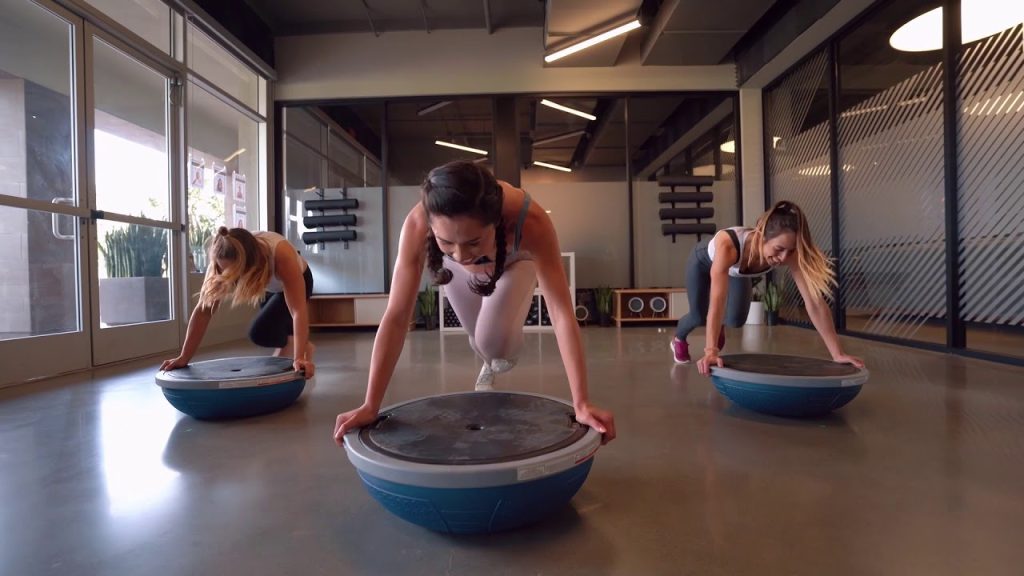
Training harder doesn’t always mean training smarter. Overtraining without adequate recovery leads to chronic fatigue, poor muscle repair, and eventually injury.
In our physio programs, we help clients track and adjust training load balancing intensity, volume, and rest. We often see athletes in Bangkok who push through fatigue in the heat, leading to dehydration and tendon irritation.
Here’s how to balance your load effectively:
- Use a training log or smart watch to track heart rate and fatigue.
- Schedule at least one full rest day per week.
- Follow the 10% rule and don’t increase training volume by more than 10% weekly.
- Mix low-impact sessions (swimming, mobility work) into your plan.
Recovery is not optional.
Hydration, sleep (7–9 hours), and nutrition are as important as training. Adding massage, red light therapy, or guided recovery sessions available at Aspire helps accelerate healing and optimize tissue health.
7. Integrate Core and Stability Training
A strong core isn’t about visible abs, it’s about stability, balance, and coordination.
Your core connects your upper and lower body, stabilizing every movement. Weak core muscles increase stress on your spine, hips, and knees.
Our physios often integrate anti-rotation and anti-extension exercises to build dynamic stability.
Try these:
- Pallof press (anti-rotation)
- Dead bug (lumbo-pelvic control)
- Bird dog (spinal stability)
- Side plank with reach (oblique activation)
Training stability ensures your joints stay aligned during dynamic actions protecting you from strains and sprains.
8. Listen to Early Warning Signs
Pain is your body’s feedback system not an obstacle to push through.
Ignoring early warning signs like tightness, dull aches, or swelling can turn minor issues into major injuries.
Our Aspire physios emphasize early intervention.
If you feel recurring pain or stiffness that doesn’t resolve after 48 hours, it’s time for an assessment. Early physio intervention can identify the cause, correct mechanics, and prevent the problem from worsening.
9. Tailor Your Training to Your Sport
Every sport stresses the body differently meaning your prevention strategy should match your movement demands.
Examples:
- Runners: Focus on hip and ankle mobility, single-leg strength, cadence control.
- Tennis & Padel players: Prioritize shoulder stability, rotational strength, and core endurance.
- Golfers: Emphasize thoracic rotation, glute activation, and postural control.
- Cyclists: Improve hip flexibility, neck mobility, and glute strength to counteract sitting posture.
At Aspire, we design sport-specific programs that target these unique demands while reinforcing balance, power, and resilience.
10. Get Professional Movement Screening
A movement screening is like an annual check-up but for your musculoskeletal health.
Our Bangkok physios offer Functional Movement Assessments (FMA) to detect asymmetries, limitations, and risk factors before injury occurs.
We analyze:
- Joint mobility and muscle activation.
- Balance and proprioception.
- Core stability and postural control.
- Movement efficiency during running, jumping, or lifting.
Based on your results, we create a customized corrective plan that integrates with your training routine ensuring you perform at your best while staying injury-free.
11. Mindset and Consistency Matter
Injury prevention isn’t just physical, it’s behavioral.
Athletes who approach training with patience, awareness, and consistency are far less likely to get injured.
Develop a sustainable mindset:
- Respect recovery as part of training.
- Avoid comparing your progress to others.
- Schedule deload weeks.
- Stay adaptable and modify your plan when life or fatigue hits.
Consistency beats intensity when it comes to building long-term resilience.
12. When Injury Happens Don’t Panic, Rebuild Smarter
Even with the best prevention, injuries can still occur.
The key is how you respond. Rushing recovery often leads to re-injury, a cycle our physios work hard to break.
At Aspire Physio Bangkok, our rehabilitation approach focuses on three principles:
- Fix the cause, not just the pain — we identify the root dysfunction.
- Restore optimal movement — not just “pain-free,” but efficient and stable.
- Build back stronger — progressive loading, neuromuscular retraining, and return-to-sport protocols.
Our goal is not just to get you back to playing but to ensure you return better prepared than before.
The Takeaway
Injury prevention is a lifestyle, not a checklist. It’s about understanding your body, training with awareness, and seeking expert guidance before small issues become major setbacks, including common sports injuries.
At Aspire Physio Bangkok, our experienced team of physiotherapists and performance coaches help you train smart, recover faster, and move without pain, whether you’re an athlete, fitness enthusiast, or just someone who wants to stay active for life.
Ready to take the next step? Book your sports injury prevention assessment with Aspire Physio Bangkok today.
Contact us here:
Call us: 080-188-4114
Visit us: Jasmine Building, 2nd Fl, Sukhumvit Soi 23, Asoke
Website: www.physiobangkok.com
Instagram: @physiobangkok
Facebook: facebook.com/physiobangkok
Let us create a personalized plan to keep you moving confidently, performing better, and staying injury-free.
