
Scoliosis affects the shape and alignment of the spine, causing it to curve sideways. The condition can develop during childhood or adolescence, although adults can also develop scoliosis due to age-related changes in the spine. Its effects vary from person to person. Some people have no noticeable symptoms, while others experience back pain, muscle fatigue, stiffness, or difficulty with certain movements.
Although physiotherapy cannot straighten every spinal curve, it can help people with scoliosis manage symptoms, maintain physical function, and build strength. A suitable exercise program can also improve movement control, balance, and confidence during everyday activities.
For those considering scoliosis physiotherapy Bangkok, understanding how scoliosis affects movement is an important first step in choosing the right approach to physical activity and treatment.
How Scoliosis Affects Movement
Scoliosis changes the natural alignment of the spine. Instead of following a relatively straight line when viewed from behind, the spine develops a sideways curve. In some cases, the vertebrae also rotate, which can affect the position of the ribs, shoulders, and hips.
These changes may influence how the body distributes weight and moves during everyday activities. For example, one shoulder may sit higher than the other, or one side of the waist may appear more prominent. Some people also develop differences in muscle strength and tension as the body adapts to the spinal curve.
Depending on the severity and location of the curve, scoliosis may contribute to:
- Back discomfort or muscle fatigue
- Reduced flexibility in certain movements
- Uneven shoulder or hip positioning
- Difficulty maintaining comfortable positions for long periods
- Reduced trunk strength or movement control
- Changes in balance and body awareness
Not everyone experiences these problems. Many people with scoliosis remain physically active and can participate in regular exercise without significant limitations.
The important consideration is how the condition affects an individual’s movement, strength, and daily activities rather than focusing on the spinal curve alone.
Why Movement and Exercise Matter for People With Scoliosis
Regular movement helps maintain muscle strength, joint mobility, and general physical fitness. For people with scoliosis, these benefits can support everyday function and make physical activities more manageable.
Avoiding movement because of scoliosis is not usually necessary. Staying active can help prevent general weakness and stiffness that may develop with inactivity.
However, exercise should match the individual’s physical abilities and symptoms. Someone with mild scoliosis and no pain may follow a different program from someone who experiences recurring back discomfort or has more noticeable movement restrictions.
A suitable exercise routine may focus on three main areas.
Strength: Exercises for the abdominal, back, and pelvic muscles can help support the trunk and improve movement control.
Flexibility: Gentle mobility exercises can help maintain comfortable movement in the back, hips, and shoulders.
Balance and coordination: Activities that challenge balance can help develop better body control during walking, standing, and other daily movements.
Walking, swimming, cycling, and other suitable activities can also help maintain general fitness. Exercise does not guarantee that a spinal curve will improve or stop progressing. Its main purpose is to support physical health, manage symptoms, and maintain function.
How Physiotherapy Can Help Manage Scoliosis
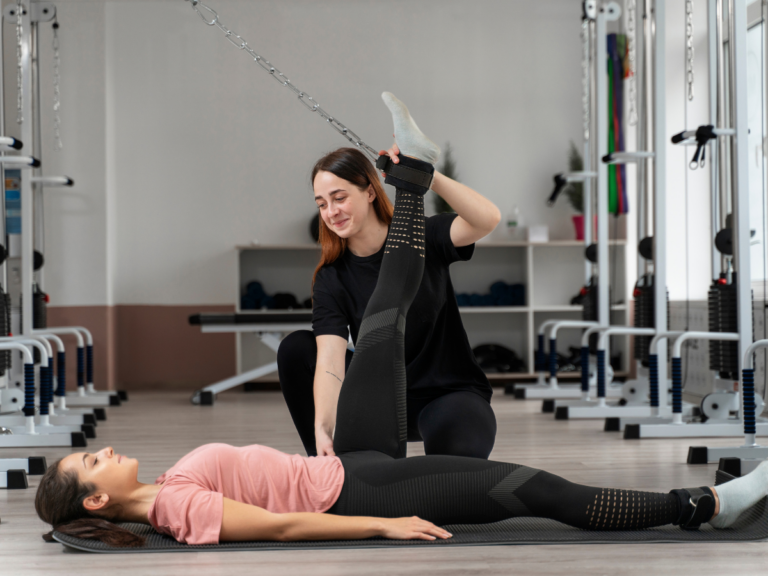
Physiotherapy provides a structured approach to managing movement difficulties associated with scoliosis. Rather than using the same exercises for everyone, a physiotherapist assesses the person’s condition, symptoms, strength, and activity levels before recommending a treatment plan.
The goal is to identify areas that need attention and choose exercises that support the person’s daily needs.
1. Assessing Posture and Movement
A physiotherapy assessment helps identify how scoliosis affects the way a person stands, walks, bends, and performs other movements.
The physiotherapist may examine shoulder and hip alignment, spinal movement, muscle strength, flexibility, and balance. They may also ask about pain, fatigue, work habits, exercise routines, and activities that cause discomfort.
This assessment provides a clearer picture of the person’s physical limitations. It also helps determine whether certain movements need to be modified or whether further medical assessment is appropriate.
A visual posture assessment alone cannot confirm scoliosis or determine the size of a spinal curve. Medical assessment and imaging may be needed for diagnosis and monitoring.
2. Strengthening the Core and Supporting Muscles
The core muscles include the abdominal, back, and pelvic muscles that help control the trunk. They play an important role in maintaining stability when standing, walking, lifting, and changing positions.
People with scoliosis may have differences in muscle strength and endurance between the two sides of their bodies. Targeted strengthening exercises can help address relevant weaknesses and improve control during movement.
Depending on the assessment, a physiotherapist may include exercises such as:
- Modified planks
- Bridges
- Controlled abdominal exercises
- Bird-dog exercises
- Resistance band exercises
These movements can be adjusted based on the person’s strength and comfort level. Proper technique is important because the aim is to develop controlled movement without causing unnecessary discomfort.
Strengthening exercises do not directly correct every spinal curve. However, they can improve the body’s ability to support everyday movement and physical activity.
3. Improving Flexibility and Mobility
Muscle stiffness can make certain movements uncomfortable, particularly when someone spends long periods sitting or remains in the same position.
A physiotherapist may recommend gentle mobility exercises for the back, hips, shoulders, and surrounding muscles. These exercises aim to maintain comfortable movement and address specific restrictions identified during the assessment.
Examples include:
- Gentle trunk rotations within a comfortable range
- Hip mobility exercises
- Shoulder movement exercises
- Controlled stretching
- Gentle spinal extension movements when appropriate
Not every exercise is suitable for every spinal curve. A physiotherapist should consider the individual’s condition before prescribing specific movements.
The goal is not to force the spine into a straight position. It is to improve comfortable movement and reduce restrictions that interfere with daily activities.

4. Developing Better Balance and Body Control
Changes in spinal alignment can affect how weight is distributed across the body. Some people with scoliosis may notice differences in how they stand, shift their weight, or maintain balance.
Physiotherapy can include exercises that improve coordination and body awareness. These activities help people control their movements during different positions and tasks.
Examples include standing on one leg, controlled weight shifts, supported balance exercises, and movements that challenge stability.
The difficulty should increase gradually as the person becomes more confident and capable. Good balance and movement control can make everyday activities such as walking, climbing stairs, and changing direction easier.
5. Learning Scoliosis-Specific Exercises
Some physiotherapy programs use scoliosis-specific exercises designed around the person’s spinal curve. These programs may include targeted posture correction, breathing techniques, and controlled movements.
Unlike general strengthening exercises, scoliosis-specific exercises are adapted to the individual’s curve pattern. They aim to improve posture awareness, muscle control, and functional movement.
Their suitability depends on factors such as age, curve severity, and treatment goals. A trained professional should guide the exercises.
These methods should not be presented as a guaranteed way to straighten the spine. They may form part of a broader treatment plan alongside general exercise and medical monitoring.
When Should You Seek Physiotherapy?
People with scoliosis may benefit from physiotherapy if they experience persistent back discomfort, muscle fatigue, stiffness, or difficulty with everyday movements.
An assessment can help identify whether these problems are related to muscle weakness, restricted mobility, or other movement difficulties. It also allows the physiotherapist to recommend exercises based on the person’s condition and physical abilities.
Children and adolescents with suspected or diagnosed scoliosis should receive appropriate medical assessment, particularly while they are still growing. Physiotherapy can support physical function, but it does not replace medical monitoring or other treatments when needed.
New numbness, tingling, or weakness in the legs should be medically assessed. Severe or rapidly worsening symptoms, especially when accompanied by changes in bladder or bowel control, require urgent medical attention.
Supporting Long-Term Movement and Strength
Living with scoliosis does not mean giving up exercise or avoiding physical activity. With an appropriate approach, many people can maintain an active lifestyle and continue doing the activities they enjoy.
Physiotherapy helps by identifying movement limitations, addressing relevant muscle weaknesses, and providing exercises that support daily function. Progress should be based on practical improvements, such as better strength, greater movement confidence, and improved tolerance for everyday activities.
At Aspire Physio Bangkok, physiotherapy focuses on assessing physical concerns and addressing pain, movement limitations, and strength needs through an individualized rehabilitation approach.
Managing Physical Demands at Work
Call us: +66 82 281 8009
Visit us: Jasmine Building, 2nd Fl, Sukhumvit Soi 23, Asoke
Website: www.physiobangkok.com
Instagram: @physiobangkok
Facebook: facebook.com/physiobangkok
People with scoliosis may experience back discomfort or muscle fatigue when sitting or standing for long periods. Adjusting work positions, taking regular movement breaks, and avoiding prolonged periods in one position can help make daily tasks more comfortable. Physiotherapy can also help identify suitable movement strategies and exercises to support strength and reduce discomfort during work activities.