
Pain relief is an important part of injury recovery, but it does not always mean the body has fully healed. An injured muscle, tendon, ligament, or joint may feel better before it regains its previous strength, flexibility, stability, and ability to handle physical activity.
This is why returning to exercise, sports, or demanding daily activities too soon can lead to setbacks. When pain disappears, it is easy to assume that normal movement and performance can resume. However, the body may still need rehabilitation to rebuild its physical capacity.
Understanding the difference between pain relief and full recovery helps you recognize when your body is ready to return to normal activities and when further rehabilitation may be necessary.
Why Pain Relief Does Not Always Mean Full Recovery
Pain is one way the body signals that something may be wrong. During an injury, it can limit movement and make certain activities uncomfortable. As the affected area improves, pain often decreases.
However, pain is only one part of the recovery process. It does not directly measure muscle strength, joint stability, flexibility, or endurance. These physical abilities may take longer to return.
For example, someone recovering from an ankle sprain may be able to walk without pain but still have reduced balance and strength. Walking on flat ground may feel comfortable, while running, jumping, or changing direction may remain difficult.
The same can happen with muscle and tendon injuries. Everyday movements may feel normal, but lifting heavier objects or exercising at higher intensity may still cause discomfort or reveal weakness.
Different activities place different demands on the body. Being able to complete basic movements does not necessarily mean the injured area is ready for more demanding tasks.
Signs That You May Not Be Fully Recovered
Even when pain has improved, certain physical limitations may indicate that your body needs more rehabilitation.
1. Reduced strength
An injured muscle or the muscles supporting an affected joint may remain weaker than before. You might notice difficulty climbing stairs, lifting objects, standing on one leg, or completing previously manageable exercises.
2. Limited range of motion
Some injuries affect how far a joint can move. Stiffness may remain even after discomfort has decreased. For example, someone recovering from a knee injury may walk comfortably but still struggle to bend or straighten the knee fully.
3. Poor balance or stability
An injury involving the ankle, knee, or hip can affect how well the body controls movement. You may notice that standing on the injured leg feels less stable or that you rely more heavily on the other side.
4. Reduced endurance
You may be able to perform an activity briefly but struggle to maintain it for longer periods. Walking for a short distance may feel comfortable, while longer walks cause fatigue or discomfort.
5. Difficulty with demanding movements
Basic movements may feel normal, but running, jumping, lifting heavier weights, and sudden changes in direction may remain difficult. These activities require more strength and control than everyday movements.
Recognizing these limitations can help you understand whether you are ready to increase your activity level or need further rehabilitation.
What Full Injury Recovery Should Involve
Full recovery involves more than being free from pain. It means regaining the physical abilities needed to perform daily activities, exercise, work, or sports.
Although recovery depends on the type and severity of the injury, several factors help indicate progress.
Restored strength and flexibility: The injured area should regain enough strength to handle normal physical demands. Joint movement and flexibility should also improve so that everyday activities can be performed without significant restrictions.
Good movement control: The body should be able to move with proper control and coordination. This includes maintaining balance, distributing weight appropriately, and using the affected muscles effectively.
Improved endurance: Someone returning to walking, running, or exercise should gradually rebuild the endurance needed to maintain those activities.
Ability to perform functional movements: Recovery should reflect the activities you want to resume. Someone returning to running, for example, may need to demonstrate that they can jog, accelerate, slow down, and change direction comfortably.
Confidence in movement: Some people remain hesitant to use an injured area even after physical improvements. Gradually returning to appropriate activities can help rebuild confidence and reduce hesitation.
These factors should be considered together rather than relying on pain relief or the amount of time that has passed since the injury.
How Physiotherapy Supports Injury Recovery
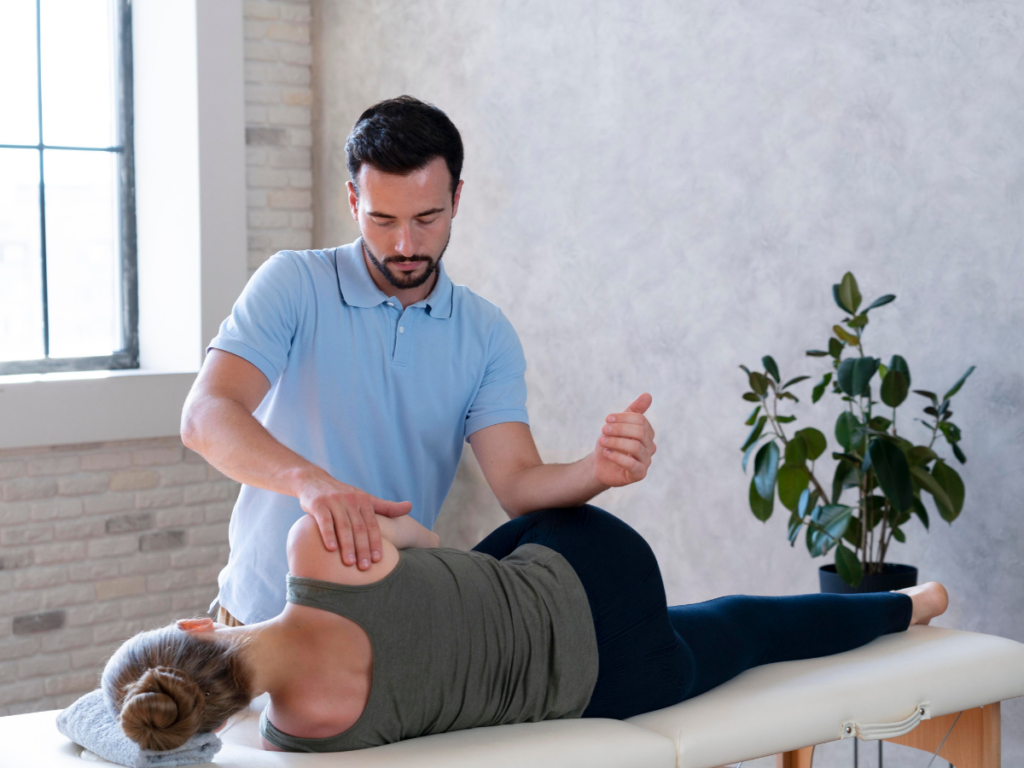
Physiotherapy helps people address physical limitations that may remain after an injury. A physiotherapist assesses the affected area, identifies problems with movement or strength, and develops a rehabilitation plan based on the person’s condition and goals.
Treatment may involve several approaches.
Strengthening exercises
Strength exercises help rebuild the muscles that support joints and allow the body to handle physical demands. The exercises should match the person’s current ability and become more challenging as strength improves.
For example, someone recovering from an ankle injury may begin with simple resistance exercises before progressing to standing exercises and controlled single-leg movements.
Balance and coordination exercises
Some injuries affect how well the body maintains stability. Balance exercises can help improve movement control, particularly for people recovering from ankle and knee injuries.
These exercises may include standing on one leg, controlled weight shifting, and step exercises.
Mobility exercises
Restricted movement can make everyday activities more difficult. Physiotherapy may include appropriate mobility exercises and stretching to improve joint movement and reduce stiffness.
Functional training
As recovery progresses, exercises can become more specific to the activities a person wants to resume. Someone returning to running may gradually progress from walking to jogging and faster movements. Those returning to sports may need exercises involving jumping, landing, and changing direction.
The aim is to prepare the body for its usual physical demands rather than focusing only on reducing pain.
How to Return to Exercise Safely
Returning to exercise should be gradual. Even if pain has disappeared, your body may need time to rebuild strength and endurance after a period of reduced activity.
Start with manageable activities that the injured area can tolerate. Depending on the injury, this may include walking, gentle mobility exercises, or light resistance training.
As your physical ability improves, gradually increase the duration, resistance, or difficulty of your workouts. Avoid returning immediately to your previous training intensity, especially if you have been inactive for several weeks.
Pay attention to how the injured area responds during and after exercise. Increasing pain, swelling, or reduced movement may indicate that the activity needs to be adjusted.
Rest is also important. Allow enough time between demanding sessions and avoid exercising through worsening symptoms.
Most importantly, do not compare your recovery with someone else’s. A mild muscle strain and a major ligament injury require different rehabilitation approaches. Your progress should depend on your condition, physical ability, and activity goals.
When Should You See a Physiotherapist?
You do not need to wait until pain becomes severe before seeking professional advice. Physiotherapy may be helpful when an injury continues to affect your movement or physical activity.
Consider an assessment if:
- You still experience weakness even though the pain has improved.
- You have difficulty bending, straightening, or moving a joint normally.
- Your balance or stability has changed after an injury.
- You feel discomfort when increasing exercise intensity.
- You are unsure whether it is safe to return to sports or training.
- You have experienced repeated injuries in the same area.
A physiotherapist can assess your current condition and determine whether further rehabilitation is needed. They can also recommend appropriate exercises and monitor your progress.
If you experience severe pain, significant swelling, an obvious deformity, sudden loss of function, or an inability to bear weight after an injury, seek prompt medical assessment.
Recovery Should Be Measured by Function, Not Just Pain
Being pain-free is an important milestone, but it should not be the only measure of injury recovery. Strength, flexibility, balance, endurance, and movement control all contribute to how well the body performs after an injury.
Returning to normal activities before these abilities have improved can lead to setbacks. A structured rehabilitation programme helps address remaining limitations and prepares the body for the demands of everyday life, exercise, and sports.
At Aspire Physio Bangkok, physiotherapy can help assess your movement, address physical limitations, and guide your rehabilitation according to your needs. The goal is to help you regain strength, mobility, and confidence in movement rather than focusing only on reducing discomfort.
If your pain has disappeared but you are still unsure whether you have fully recovered, a professional assessment can help you understand what your body needs before returning to your usual activities.
Ready to Return to Full Strength?
Call us: +66 82 281 8009
Visit us: Jasmine Building, 2nd Fl, Sukhumvit Soi 23, Asoke
Website: www.physiobangkok.com
Instagram: @physiobangkok
Facebook: facebook.com/physiobangkok
Pain may disappear before the body fully regains its strength, flexibility, and stability after an injury. Returning to exercise or daily activities too soon can place additional stress on the affected area. Gradually increasing activity, following appropriate exercises, and allowing enough time for recovery can help restore physical function. Physiotherapy can also help identify remaining limitations and provide suitable exercises to rebuild strength, improve mobility, and support a safe return to normal activities.